Garibaldi Lake Hike: Difficulty, Length and Is It Doable in a Day
Can an average hiker do Garibaldi Lake in one day?
Yes. The return hike is about 18 km with roughly 800 m of elevation gain, which a reasonably fit hiker completes in 6 to 8 hours. You do need a free BC Parks day-use pass booked online in advance — without one, rangers can turn you away at the trailhead.
A turquoise lake at the end of a real climb
Garibaldi Lake is the single most photographed body of water in Garibaldi Provincial Park, and for good reason: a wide, glacier-fed lake the colour of pale jade, framed by the hanging ice of the Sphinx Glacier and the black volcanic spike of the Black Tusk in the distance.
It sits inside the same trail system as Panorama Ridge and Black Tusk, which leads a lot of people to lump the three together as one hike. They are not the same hike, and treating them as one is how people end up finishing in the dark. This page is only about the walk to the lake and back — a full but realistic day for a reasonably fit hiker, with one bureaucratic step that trips up more people than the climb itself.
The short answer: yes, if you plan the day properly
An average hiker with some trail experience and a normal level of fitness can walk to Garibaldi Lake and back in a single day. The trail is about 18 km return with about 800 m of elevation gain, entirely on a wide, well-graded path with no scrambling, no exposure and no route-finding. Most parties take between 6 and 8 hours including a stop at the lake for lunch and photos. It is a genuinely tiring day out, especially on the climb, but it does not require mountaineering skills, ropes or previous alpine hiking experience — only reasonable fitness, an early start and the willingness to turn a Tuesday into a full day of walking rather than a stroll.
Where people get into trouble is not the distance or the climb. It is showing up at the trailhead without having booked the required day-use pass, starting too late in the day, or quietly extending the hike toward Panorama Ridge or Black Tusk without having planned for the extra six to ten kilometres that involves.
Distance, elevation and time: the real numbers
| Metric | Garibaldi Lake (return trip) |
|---|---|
| Distance | About 18 km round trip |
| Elevation gain | About 800 m |
| Typical time | 6 to 8 hours, including breaks |
| Trailhead | Rubble Creek, off Highway 99 |
| Trail surface | Wide, maintained switchbacks, no exposure |
| Technical difficulty | Moderate to strenuous; no scrambling |
| Continuing to Panorama Ridge | Adds roughly 12 km and 500 m more gain — a separate, longer day |
| Continuing to Black Tusk | Adds roughly 8 to 9 km and significant scrambling near the summit — also a separate day |
Those last two rows matter. Garibaldi Lake, Panorama Ridge and Black Tusk share the same trailhead and the same first two-thirds of trail, but they are three different hikes with three different time budgets. For the numbers and difficulty of continuing further, see the dedicated pages on the Panorama Ridge hike and on whether Black Tusk is a scramble. Attempting either as an add-on to a lake day, without having planned the extra distance and daylight, is the most common way this trail turns into an emergency call.
What the trail actually feels like
The hike starts at the Rubble Creek trailhead on Highway 99, between Squamish and Whistler. The first stretch climbs through forest on a long series of even, graded switchbacks — physically the hardest part of the day, since it gains most of the 800 m in the first several kilometres. There is no technical difficulty here: it is simply steady uphill walking on a wide trail built and maintained for heavy foot traffic.
The gradient eases once the trail reaches the junction near Taylor Meadows and Garibaldi Lake campground, and the last stretch to the lakeshore is comparatively gentle. The reward at the end is immediate: a wide turquoise lake, glacier ice visible above it, and picnic-friendly rock slabs along the shore where most day hikers stop, eat, and turn around. The colour is real, not a filter — it comes from fine glacial sediment, known as rock flour, suspended in the meltwater.
If the switchbacks sound like the tiring part, they are — and it is worth comparing this trail honestly against a gentler nearby alternative before committing a full day to it. Cheakamus Lake, in the same park, offers a much flatter profile for a similar glacial-lake payoff; see the comparison in our guide on Cheakamus Lake as an easier alternative to Garibaldi.
The step that is not optional: the BC Parks day-use pass
This is the part of planning a Garibaldi Lake hike that catches out more visitors than the elevation gain does. Garibaldi Provincial Park is popular enough, and fragile enough, that BC Parks caps the number of day hikers on the Rubble Creek approach during the busy season. A free day-use pass, booked online in advance, is required to start the hike in high season. It is not a formality and it is not optional: parking or trailhead access can be refused to anyone without a valid pass for that specific day, no matter how far they have driven to get there.
Passes are released on a rolling schedule ahead of each hiking day and can sell out, especially for weekends in July and August. Book as soon as your date is confirmed, keep a screenshot or confirmation email accessible without cell signal, and always check the official BC Parks page for the current release schedule before you drive out — conditions, quotas and closures on this trail change from one season to the next and this page will not chase every update.
The same pass system, and the same lesson about checking before you go, applies at Joffre Lakes; see our dedicated walkthrough on getting a Joffre Lakes day-use pass and the wider context in Joffre Lakes permits and closures explained for how BC Parks manages both trails.
Camping overnight at Garibaldi Lake is a separate matter entirely: the lakeside campground requires its own BC Parks camping reservation, made months ahead for summer weekends, and does not substitute for the day-use pass if you are hiking in and out on the same day.
Getting to the Rubble Creek trailhead
The trailhead sits off Highway 99 roughly midway between Squamish and Whistler, closer to Squamish. There is no public transit to the trailhead itself, so most visitors arrive by rental car, by a organised hiking tour, or as part of a longer Sea to Sky road trip.
| Starting point | Approximate driving time |
|---|---|
| Squamish | 30 to 40 minutes |
| Whistler Village | 30 to 40 minutes |
| Vancouver | About 1.5 to 2 hours |
If you are day-tripping from Vancouver, the drive alone eats a meaningful chunk of daylight, which is one more reason to start at or before sunrise; our notes on driving Highway 99 — winter tyre rules aside — cover what to expect on the road itself, and getting from Vancouver to Whistler without a car lays out the alternatives if you are not renting a vehicle.
For hikers who would rather not deal with parking, pass logistics and the drive themselves, guided day trips run directly to the lake with transport included. A guided Garibaldi Lake hiking day trip handles the trailhead pass and transport as part of the package, and a similar small-group Garibaldi Lake hiking tour is a reasonable option if you would rather hike with a local guide who knows current trail and snow conditions.
Where the Garibaldi Lake hike stops — and why that’s the point
This page deliberately covers the lake and nothing beyond it. Panorama Ridge and Black Tusk are both reached from the same Rubble Creek trailhead and the same initial climb, which makes it tempting to treat all three as one flexible itinerary decided on the trail. In practice they need to be planned as separate trips:
- Garibaldi Lake only: about 18 km return, 800 m gain, a full but realistic single day.
- Continuing to Panorama Ridge: roughly 30 km return in total from the trailhead, with another 500 m or so of gain past the lake — see how long the Panorama Ridge hike really takes.
- Continuing to Black Tusk: a similarly long day, with genuine scrambling on loose rock near the summit — covered separately in is Black Tusk a scramble.
Deciding which of the three you are doing before you leave the car, not once you reach the lake and feel good, is the single biggest factor in whether you finish before dark. If you are weighing the lake hike against a shorter alternative or against Joffre Lakes further north, the direct comparisons are in Joffre Lakes versus Garibaldi Lake and, at the destination level, in the Joffre Lakes versus Garibaldi Lake blog piece.
Best time of year to go
The trail is normally clear of significant snow from around mid-July through September, which is the realistic window for a day hike without winter equipment. Snow can linger on the upper switchbacks into early July after a heavy winter, and the shoulder months either side can bring muddy or icy sections near the lake. Late August into September often brings the most stable weather and thinner crowds than peak July and early August. For the wider seasonal picture across the region, see the best time to visit Whistler and, if you are building this into a longer trip, how many days you actually need in Whistler.
Fitness, gear and who this hike suits
The trail suits hikers who walk regularly and are comfortable with several hours of sustained uphill effort, even without prior alpine hiking experience. It does not suit anyone looking for a short or flat walk, and it is not an appropriate first hike for young children given the distance and the exposed midday heat on the lower switchbacks in summer.
A short, practical packing list for the day: sturdy trail shoes or light hiking boots, layered clothing (it is markedly cooler and windier at the lake than at the trailhead), at least two litres of water per person, sun protection, a proper trail map or offline GPS track, and enough food for a full day out, since there is nowhere to buy anything past the parking lot. Bear activity is a normal part of this landscape; carry bear spray, know how to use it, and make noise on quieter stretches of trail.
Guided alternatives if you would rather not plan the logistics
For visitors without a rental car, or who simply prefer not to manage the day-use pass, the drive and the pace of the day themselves, several guided options cover Garibaldi Lake and the wider park. A guided Cheakamus Lake hike in Garibaldi Park is worth considering as a gentler, guided introduction to the same park if the full Garibaldi Lake distance feels like too much for your group.
For those basing themselves in Vancouver rather than Whistler or Squamish, a broader Sea to Sky and Whistler day tour can be combined with independent hiking time, though a dedicated hiking-focused tour is a better match if Garibaldi Lake itself is the priority for the day.
If you already know you want to push on to the ridge on a future visit, note that guided transport-only options exist for that longer route as well, separate from a straightforward lake day — worth bookmarking rather than deciding on the spot at the trailhead.
Planning the rest of your Sea to Sky trip
Garibaldi Lake works well as the anchor of a hiking-focused day, or as one big day inside a longer stay built around Whistler and the wider corridor. If you are stacking several alpine hikes into one trip, our alpine hiking week in Whistler itinerary and the four-day Whistler and Garibaldi Park itinerary both build multi-day plans around trailheads like this one, with rest days and shorter walks worked in around the big ones. For the full category of trails in the region, from valley strolls to full alpine days, see hiking trails in the Sea to Sky corridor.
Garibaldi Lake hike: your questions answered
How long is the Garibaldi Lake hike?
About 18 km return from the Rubble Creek trailhead to the lakeshore and back, entirely on one maintained trail with no route-finding required.
How much elevation gain is involved?
Roughly 800 m of steady climbing, concentrated in a series of long, even switchbacks in the first half of the trail before it levels off near the lake.
Can an average, moderately fit hiker do it in a day?
Yes. Most parties without technical hiking experience finish in 6 to 8 hours including breaks, provided they start early enough to be back at the car before dark.
Do I need a permit to hike to Garibaldi Lake?
In high season, yes — a free BC Parks day-use pass, released online in advance and checked at the trailhead. Arriving without one risks being turned away on the day, regardless of how far you have travelled.
Is this the same hike as Panorama Ridge or Black Tusk?
No. Garibaldi Lake is a complete destination on its own. Panorama Ridge and Black Tusk share the same trailhead but add substantially more distance and elevation beyond the lake, and are best treated as separate, longer days.
When is the trail open and free of snow?
Reliably from around mid-July through September. Snow can linger on the upper switchbacks into early July after a heavy winter, so check current trail reports before an early-season attempt.
Can I camp at Garibaldi Lake instead of day-hiking it?
Yes, there is a reservable lakeside campground, but summer sites book out months ahead and require their own separate BC Parks camping reservation, distinct from the day-use pass needed for hiking in and out.
Is the hike worth it if I stop at the lake and go no further?
Yes. The turquoise, glacier-fed lake beneath the Sphinx Glacier and Black Tusk is a complete destination in itself, and most day visitors never go beyond the shoreline.
Hiking on GetYourGuide
Verified deep-linked GetYourGuide tours. Book through these links and we earn a small commission at no cost to you.
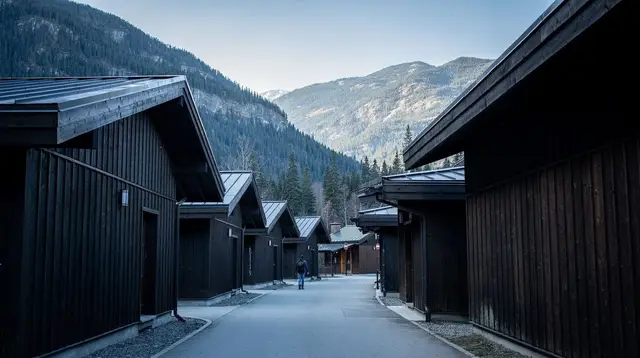
GetYourGuide does not provide a product photo for this activity — the image shows the meeting point, photographed by us.