Whistler Mountain Via Ferrata: Do You Need to Climb?
What is the Whistler Mountain via ferrata and do you need to be a climber?
It is a guided route of steel cables, iron rungs and short ladders bolted into the rock on Whistler Mountain. Climbers stay clipped to the cable at all times with a harness and two lanyards, and a certified guide teaches the technique before the first step, so no prior climbing experience is required.
An Iron Path Up Whistler Mountain, With a Guide the Whole Way
Say “via ferrata” to most visitors and they picture rock climbers dangling off a cliff. The reality on Whistler Mountain is closer to a supervised obstacle course bolted straight into the rock: steel cables running the length of the route, iron rungs and staples where the wall gets steep, and short ladders or a bridge crossing the airiest sections. It’s a genuine adventure activity, not a stroll — but it’s also not rock climbing, and that distinction matters more than anything else on this page.
The name comes from the Italian Dolomites, where the first iron paths were rigged for soldiers and later opened to the public. Whistler’s version is a modern, purpose-built adaptation: a guided via ferrata climbing experience on Whistler Mountain that takes small groups up fixed hardware in the alpine terrain above the village, with a certified guide managing pace, technique and safety from the first clip-in to the last.
Do You Need to Be a Climber? No — Here’s Why
This is the question that keeps people from booking, and the honest answer is no. The whole point of a via ferrata is that the mountain has already been equipped so you don’t need climbing skills to move through terrain that would otherwise require rope work, technical placements and years of practice.
Three things do the work for you:
- The cable. A continuous steel cable runs along the route, bolted to the rock at regular intervals. You are clipped into it at all times.
- The lanyard system. Your harness carries two shock-absorbing lanyards, each ending in a carabiner. You always keep at least one clipped in, moving the other past each anchor point before unclipping the first — a guide teaches this before you touch real exposure.
- The rungs. Where the rock doesn’t offer natural holds, iron rungs and staples give you a predictable place to put your hands and feet, so you’re stepping on hardware, not reading the rock.
What you do need is reasonable fitness — the route involves sustained arm and leg work, some exposure, and being comfortable with heights once you’re clipped in — plus the willingness to follow instructions closely. Nervous first-timers do this activity regularly; what makes it work is the guide, not prior experience.
What a Guided Session Actually Looks Like
A via ferrata day is built around instruction first, climbing second. Expect a structure close to this:
- Briefing and fitting. The guide fits your harness and helmet, explains the lanyard technique, and checks everyone’s gear before moving.
- A practice section. An easier stretch of cable near the start lets you rehearse clipping and unclipping under low consequence.
- The route itself. The guide sets the pace, points out where the terrain steepens, and manages the group so faster and slower climbers aren’t rushed into each other on exposed ground.
- Photo stops. Via ferrata routes are usually built to pass scenic viewpoints — this one uses the alpine setting of Whistler Mountain, with the surrounding peaks of Whistler Blackcomb as backdrop.
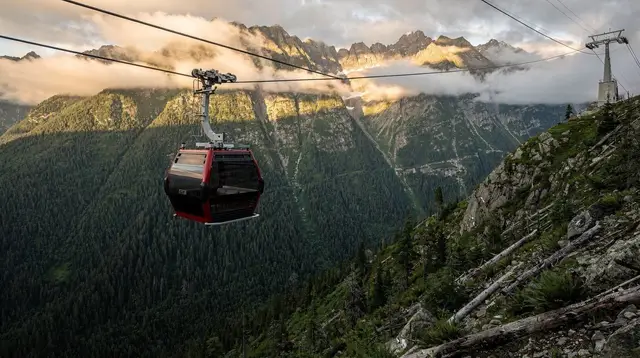
- Descent or exit. Most routes finish at a point where you either hike a short trail back or descend by gondola, depending on the layout of that day’s route.
Exact timings, group size and the precise route used can vary by date and operator, so treat the booking page as the source for the day’s format rather than any fixed script.
What’s Provided vs. What You Bring
| Provided by the outfitter | You bring |
|---|---|
| Climbing harness | Sturdy, closed shoes with ankle support |
| Helmet | Layers for alpine wind and sun |
| Via ferrata lanyard set (two arms, shock-absorbers) | Gloves, if you have them and want extra grip |
| Guide and instruction | Water and a small day bag |
| Safety briefing and technique check | Sun protection (glasses, sunscreen) |
Nothing technical needs to be owned or rented separately — the equipment is part of what you’re booking, which is one of the reasons this activity has a much lower barrier to entry than climbing trips that expect you to show up with your own gear.
Getting There: Whistler Mountain and the Gondola
The via ferrata sits in the alpine terrain of Whistler Mountain, above the pedestrian Whistler Village, which was built at around 675 metres of elevation. Access from the village up to the alpine is by gondola — the same lift network that also feeds the PEAK 2 PEAK Gondola connecting Whistler Mountain to Blackcomb Mountain. Because Whistler’s lift schedule changes between winter and summer operations, the exact meeting point and any included lift ticket or transfer are confirmed at booking rather than fixed year-round.
If you’re coming up from Vancouver for the day, build this into a longer plan rather than a rushed side trip — see the notes on how to get from Vancouver to Whistler and, if the timing is tight, whether a Whistler day trip from Vancouver is worth it.
Via Ferrata vs. Hiking vs. Rock Climbing: What’s the Real Difference
This is the mix-up worth clearing up before you book anything on Whistler Mountain.
| Via ferrata | Hiking trail | Rock climbing | |
|---|---|---|---|
| Equipment | Harness, helmet, lanyards, fixed cable | None required | Rope, harness, own technical gear |
| Guide required | Yes, for this experience | No | Usually, for beginners |
| Skill needed | None — technique taught on site | Basic fitness | Climbing technique, builds with practice |
| Where your feet go | Iron rungs and staples | Dirt path, rock, roots | Natural holds you find yourself |
| Exposure | Managed, always clipped to cable | Trail-dependent | Managed by rope system |
A Whistler Mountain hiking trail asks nothing of you but legs and a trail map. Rock climbing, such as the routes around Squamish’s Stawamus Chief, asks for real technique — see the separate guide on beginner rock climbing in Squamish if that’s what you’re actually after. The via ferrata sits deliberately in between: more exposure and adrenaline than a footpath, none of the technical learning curve of climbing.
It’s also worth not confusing this with the Stawamus Chief hike in Squamish, which does use chains and ladders on part of its route but is a self-guided hiking trail, not a roped via ferrata system — the two share some vocabulary but not the same equipment or supervision.
Who This Is For — and Who Should Look Elsewhere
Good fit:
- First-timers who want a real adrenaline activity without a climbing background
- Families with teens looking for something more structured than a hike
- Travellers who tried ziplining or a zipline and bear-watching combo and want the next step up in challenge
- Anyone who wants alpine views on Whistler Mountain without needing skis or a summer hiking itinerary
Look elsewhere if:
- You want to actually learn climbing technique — book a beginner rock climbing experience in Squamish instead
- You have a fear of heights that isn’t manageable even with a harness and cable — a guided hike or gondola ride will suit you better
- You’re looking for a quiet nature walk rather than a physical challenge — the Train Wreck Trail or Lost Lake loop are better matches
Other Ways to Get Adrenaline on Whistler Mountain
The via ferrata isn’t the only structured adventure activity based on the mountain, and pairing it with something else can make sense of a longer stay:
- a Whistler ziplining experience through the forest canopy, for speed rather than climbing
- a private tour with a bobsleigh run at the venue built for the 2010 Winter Olympics
- a guided wilderness hike if you’d rather stay on foot and skip the harness altogether
If the weather turns, via ferrata routes are exposed by nature and can be affected by wind or rain, so it’s worth having a backup from the rainy day adventure activities guide, or comparing formats in multi-activity day packages that bundle more than one thing into a single day.
Season and Booking Notes
Via ferrata routes need snow-free, stable rock to run safely, so this is a warmer-season activity on Whistler Mountain — broadly summer into early autumn — rather than a winter option. Exact opening and closing dates shift every year with conditions and are confirmed at booking, the same way lift-served summer alpine access changes year to year; see best time to visit Whistler for how the shoulder seasons behave more generally, and is Whistler expensive if you’re weighing this against other activities on a fixed budget.
If it’s your first trip to the resort and you’re building a short itinerary around one or two headline activities, the two-day Whistler itinerary for first-timers is a reasonable frame to slot a via ferrata morning or afternoon into, alongside village time and a mountain viewpoint.
Bail-Out Points and What Happens If You Change Your Mind Mid-Route
Via ferrata cable is normally fitted with bail-out points at intervals, so a guide can bring someone back to easier ground without forcing the whole group to finish the hardest section. If you clip in and decide partway through that the exposure is more than you bargained for, say so early — retreating from a stretch with rungs beneath your feet is far simpler than doing it once you’re committed to a ladder or a bridge with nothing to step back onto.
Because the route sits on exposed alpine rock, weather is the usual reason a session gets shortened or rerouted rather than cancelled outright: wind gusting across open sections and the risk of an afternoon thunderstorm building over Whistler’s peaks are both grounds for a guide to turn a group back early. Check the forecast the night before, and treat the outfitter’s own booking terms, not this page, as the source for what happens to your slot if the guide calls it off.
Temperature Swing and Tipping the Guide
The alpine terrain sits well above the village, and even on a warm day at valley level, the exposed rock higher up runs noticeably cooler and windier — the extra layer you don’t think you’ll need in the village is the one you’ll want at the anchor points above. As with other guided adventure activities in Canada, a tip of 15-20% for the guide is customary on top of whatever the experience cost, and that cost itself is quoted before GST, PST and any municipal accommodation-style tax that applies to the booking.
Frequently Asked Questions About the Whistler Mountain Via Ferrata
Do I need climbing experience to do the Whistler Mountain via ferrata?
No. The route is designed for first-timers: a guide fits your harness, shows you how to clip your two lanyards past each anchor point, and walks the group through the technique on easy ground before the terrain steepens. Reasonable fitness matters more than any climbing background.
What is a via ferrata, exactly?
It is Italian for iron path: a route up a rock face equipped with a fixed steel cable, iron rungs, and sometimes short ladders or a suspended bridge. Climbers clip into the cable with a harness and two shock-absorbing lanyards, so a slip is caught almost immediately rather than becoming a fall.
Is the Whistler Mountain via ferrata the same as hiking a trail?
No. A hiking trail on Whistler Mountain is walked on your own feet with no equipment. The via ferrata is a roped, guided route: you wear a climbing harness the entire time, clip and unclip your lanyards at every anchor, and are never off the cable on exposed sections.
Is it the same as rock climbing in Squamish?
No. Rock climbing at spots like the Stawamus Chief means placing your own hands and feet on natural rock with ropes managed by climbers, and it rewards real technique. The via ferrata gives you fixed rungs to step on and a permanent cable to clip into, so the physical bar is much lower.
How do you get to the start of the via ferrata?
The route starts in the alpine terrain of Whistler Mountain, reached from the village by gondola. Exact meeting points, lift access and any transfer are confirmed with your booking, since Whistler Mountain’s lift network changes between the winter and summer timetables.
What should I wear and bring?
Closed, sturdy shoes with ankle support, layers for alpine wind and shifting weather, gloves if you have them, and sun protection. The harness, helmet, lanyards and any other technical gear are provided by the outfitter as part of the booking.
Is there a minimum age or fitness level?
Outfitters set their own minimum age and fitness guidelines for the Whistler Mountain via ferrata, and these can change season to season, so check the current requirements on the booking page before you commit the day to it.
When can you do the via ferrata on Whistler Mountain?
It runs in the snow-free months, broadly summer into early autumn, since the route sits on exposed alpine rock that needs to be clear of snow and ice. Exact opening and closing dates shift every year with conditions, so confirm availability when you book.
Climbing & Via Ferrata on GetYourGuide
Verified deep-linked GetYourGuide tours. Book through these links and we earn a small commission at no cost to you.
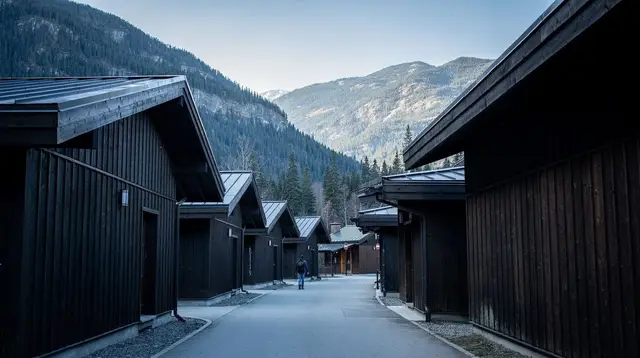
GetYourGuide does not provide a product photo for this activity — the image shows the meeting point, photographed by us.