Rock Climbing at Squamish for Complete Beginners
Can complete beginners try rock climbing at Squamish?
Yes. Guided beginner climbing sessions on the granite of the Stawamus Chief require no prior experience — a certified guide sets the ropes, fits your harness and coaches you up bolted routes graded for first-timers. This is a different, shorter activity from hiking to the summit of the Chief on its chained and laddered trail.
Two very different ways up the same rock
The Stawamus Chief is one of the largest granite monoliths in the world, a wall of rock rising roughly 700 metres straight out of the trees above Highway 99 at Squamish. Most visitors know it as a hiking objective: a steep trail with chains and ladders leading to one of three summits, covered in detail in our Stawamus Chief hiking guide. That trail is real, it is strenuous, and it has nothing to do with what this page is about.
This page answers a different question: can someone with zero climbing experience actually get on the rock itself, roped up, and climb? The answer is yes, and it does not require months of preparation, a climbing partner, or your own gear. Squamish is a world-class climbing destination precisely because its granite is so good — solid, high-friction, and riddled with routes bolted for every level, including routes built for a first attempt. Guided beginner sessions exist specifically for people who have never clipped into a harness before.
What a beginner climbing day actually looks like
A typical beginner session starts at ground level, well away from anything resembling exposure. A certified guide fits your harness and helmet, explains how the rope and belay system work, and walks you through basic technique — footwork, weight distribution, how to trust the rope — before you leave the ground. The climbing itself happens on top-rope: the rope runs from your harness up through an anchor at the top of the route and back down to the guide, who takes in slack as you climb. If you slip, you hang in your harness a few centimetres from the rock. You do not fall.
Routes chosen for beginners on the lower slabs of the Chief are short, well within a single pitch, and graded specifically for first-timers — enough incline and enough holds to feel like real climbing, without the sustained difficulty of the multi-pitch routes the Chief is famous for among experienced climbers. Sessions typically run a half-day, long enough for several climbs and a proper introduction, not just one token attempt. A booked Squamish beginner rock climbing experience includes all the gear — harness, helmet, climbing shoes, rope and hardware — so you can show up with nothing but closed shoes and clothes you can move in.
Group sizes on beginner programs stay small, generally a guide to a handful of climbers, so everyone gets real time on the rock rather than standing around watching. Guides also read the group: nervous first-timers get more coaching and easier lines, while anyone who takes to it quickly can usually push onto a slightly harder route before the session ends.
The pitfall: this is not the Chief hiking trail
It is worth stating plainly, because the confusion is common and the two activities could not be more different in what they demand of you. Hiking to the summit of the Stawamus Chief means several hours on foot, sections of exposed granite slab, and stretches where you pull yourself up using fixed chains and ladders — no rope, no harness, no guide required, and no one catching you if you slip. It is a serious hike, not a stroll, and it is covered on its own in our Chief hiking difficulty guide and in a companion piece on why the hike is not a casual afternoon.
Beginner rock climbing, by contrast, is a roped, guided, technical activity on a short section of rock face, chosen and run specifically so that someone who has never climbed can do it safely. You are never unroped, you are never more than a body length from where a fall is arrested by the rope, and the route length is measured in tens of metres, not hours.
Some visitors do both on the same trip — the hike one day, a climbing session another — but they are separate bookings, separate routes on the same mountain, and separate levels of physical commitment. If you searched for “climbing the Chief” hoping to avoid the ladders, this is the activity you want; if you searched hoping for a summit view and a long day out, you want the hiking trail instead.
Choosing your first climb: the beginner options in Squamish
Not every “climbing” listing at Squamish is aimed at newcomers, so it helps to know what you are booking. A beginner-focused climbing experience is built around no-experience-necessary routes and a slower teaching pace — this is the right starting point for almost everyone reading this page. A guided rock climbing adventure covers a broader range of routes and can suit someone who wants a longer day or a bit more challenge after a first taste, sometimes as a second session on a multi-day trip.
If ropes and heights simply are not for you but you still want an active day near the Chief, the Squamish Canyon adventure park, bookable as a canyon entry ticket, offers suspended bridges, ziplines and via ferrata-style elements over a canyon setting with a different risk profile.
And for a lower-key introduction to the town and its scenery before or after a climbing day, the Best of Squamish sightseeing tour from Vancouver takes in the Chief, Shannon Falls and the Sea to Sky Gondola without any climbing at all — useful for a group where only some members want to get on the rock.
| Option | What it is | Ropes involved | Best for |
|---|---|---|---|
| Beginner rock climbing experience | Guided top-rope climbing on easy bolted routes | Yes, full harness and belay | First-timers, no experience |
| Guided rock climbing adventure | Broader route selection, guided | Yes | Beginners ready for more, or a second session |
| Stawamus Chief hiking trail | Chained and laddered summit hike | No | Hikers wanting the summit view |
| Squamish Canyon adventure park | Bridges, ziplines, via ferrata elements | Partial, via ferrata style | Anyone wanting height and adventure without technical climbing |
| Best of Squamish sightseeing tour | Guided day trip from Vancouver | No | Non-climbers, mixed groups, first visit |
Gear, grades and what “beginner” means on Squamish granite
Squamish climbing is graded on the same Yosemite Decimal System used across North America, running from very easy scrambling up into the low 5.teens for the hardest routes on the Chief’s big walls. Beginner sessions stick to routes in the easiest bands of that scale — climbs designed to be physically achievable on a first try, with generous holds and moderate angle. You will not be anywhere near the sheer, blank faces that make the Chief famous among serious climbers; those routes sit on different sections of the mountain entirely, often reached by a full day of approach and multiple pitches.
Everything technical is provided: a properly fitted harness, a helmet, rock shoes sized to your feet, and the rope, anchors and hardware a guide uses to manage the climb. Rock shoes feel snug and slightly stiff compared to sneakers — that is intentional, it is what gives you precision on small footholds — and guides will adjust the fit before you start. Bring closed-toe shoes for the approach, clothing you can move freely in, sunscreen, water, and a layer for when you are not actively climbing, since the base of the wall can sit in shade.
Weather, season and when to book
Squamish’s climbing season runs roughly from spring through fall, with the driest and most reliable window in summer. Granite is excellent to climb on when dry but becomes noticeably slippery when wet, so guiding companies build flexibility into their schedules: sessions can shift to a sheltered part of the crag or be rescheduled outright if rain moves in. Given the corridor’s changeable weather, booking with some flexibility in your itinerary — rather than a single fixed morning — reduces the odds of a washed-out slot, particularly outside the height of summer.
Mornings tend to be quieter on the popular beginner walls, and starting early also means finishing with time to explore the rest of Squamish or continue on to Whistler the same day.
Getting there from Whistler and Vancouver
Squamish sits directly on the Sea to Sky Highway, roughly an hour south of Whistler and under an hour north of Vancouver, which makes a climbing session an easy half-day or full-day trip from either base. Drivers should check our notes on driving Highway 99 before setting out, since the road is scenic but exposed to weather closures at times.
If you are staying in Vancouver without a car, the Best of Squamish day tour handles transport for the sightseeing side of a Squamish visit, though a dedicated climbing session is generally booked and reached separately given its fixed morning or afternoon start time.
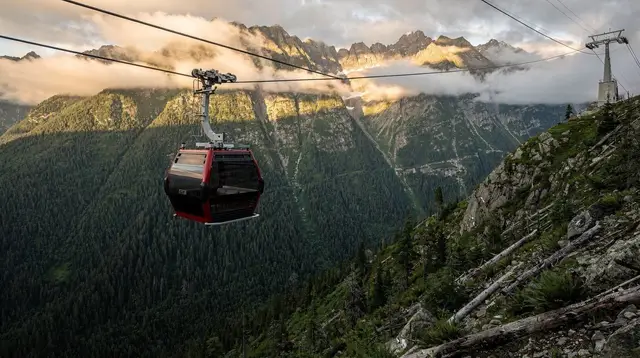
Many visitors debate whether to base themselves in Squamish or Whistler for a Sea to Sky trip that includes climbing — our comparison of Squamish versus Whistler as a base walks through the trade-offs, and the Sea to Sky Gondola guide covers the other big half-day activity in town if you want to pair the two.
Making a day of it: pairing climbing with the rest of Squamish
A half-day beginner climbing session leaves plenty of room either side of it. Many visitors combine a morning climb with an afternoon at the Sea to Sky Gondola, a short drive away, or wind down afterward with a visit to one of the town’s breweries — our piece on brewery-hopping after a day on the Chief applies just as well after a climb as after the hike. If you want the fuller story of the mountain itself, from first ascents to the routes that made it famous, see our history of climbing on the Stawamus Chief.
For a longer trip, a two-day loop covering both Whistler and Squamish gives enough time for a climbing session, the gondola, and Whistler Village without feeling rushed — our two days: Whistler and Squamish highlights itinerary lays out a workable order. If you are also curious about roped adventure closer to Whistler itself, the via ferrata experience on Whistler Mountain offers a related but distinct introduction to exposed, protected climbing using fixed cables rather than a belayed rope.
Who beginner climbing is for — and who should hike instead
Beginner climbing at Squamish suits anyone curious about the sport who is reasonably comfortable with heights once safely roped in, including many people who would never attempt the Chief’s hiking trail. It works well for families with older kids, couples looking for a shared activity with a bit of adrenaline, and solo travelers who want a guided, sociable few hours rather than a solitary long hike.
It is the wrong choice for anyone hoping for a summit and a panoramic view over Howe Sound — that experience belongs to the hiking trail, not to a bolted climbing route near the base of the wall. It is also not the activity for anyone unwilling to trust a harness and a stranger’s belay technique, even briefly; if that describes you, the Sea to Sky Gondola or the canyon adventure park deliver height and scenery without the same reliance on rope work.
Choosing correctly between the two Chief-based activities — a technical, guided climb near the ground, or a long unroped hike to the top — is really the whole decision this page exists to help with, and getting it right up front means arriving at Squamish with the booking that actually matches what you pictured.
Frequently asked questions about beginner rock climbing at Squamish
Do I need climbing experience or a high level of fitness to try it?
No. Beginner sessions are built for people who have never touched a rope. You need reasonable general fitness and a willingness to trust your harness, not climbing skills. Guides adjust the route and pace to the group.
Is beginner rock climbing the same thing as hiking the Stawamus Chief trail?
No, and this is the most common mix-up. Climbing is a roped ascent of a short section of rock face with a guide. The Chief hiking trail is a separate multi-hour route to the summit using chains and ladders, with no ropes or climbing involved.
How high off the ground do beginners actually climb?
Beginner routes on the Chief’s lower slabs typically stay within a single pitch, often well under 30 metres, and you are always attached to a rope managed by the guide from the ground or above.
What should I wear and bring for a first climbing session?
Closed, snug-fitting shoes you can move in, clothes you can stretch in, and layers, since the rock stays in shade part of the day. Harnesses, helmets, ropes and shoes are supplied by the guiding company.
Is it safe, and what happens if the weather turns?
Guided climbing on bolted routes with a certified guide is a controlled, low-risk introduction to the sport. Granite gets slippery when wet, so operators reschedule or move to sheltered routes in rain rather than climbing on wet rock.
Is there a minimum age for beginner climbing at Squamish?
Most beginner programs accept children from around 8 to 10 years old when accompanied by an adult, though this varies by operator and route. Confirm the age policy when you book.
How do I get to Squamish for a climbing day from Whistler or Vancouver?
Squamish sits on Highway 99 roughly midway between the two, about an hour from Whistler and under an hour from Vancouver, making it an easy half-day or full-day addition to a Sea to Sky itinerary.
Climbing & Via Ferrata on GetYourGuide
Verified deep-linked GetYourGuide tours. Book through these links and we earn a small commission at no cost to you.
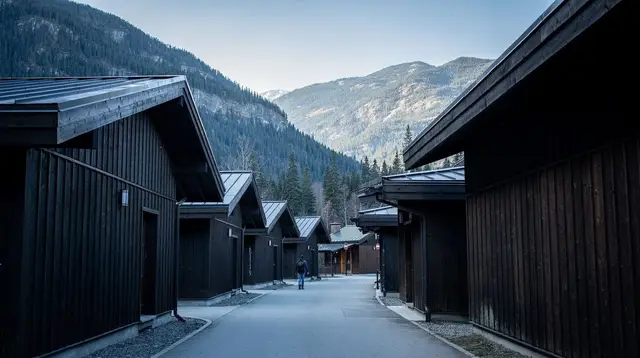
GetYourGuide does not provide a product photo for this activity — the image shows the meeting point, photographed by us.