When Can You Swim or Paddle in Alta Lake, Whistler?
When is Alta Lake warm enough to swim or paddle?
Alta Lake is generally warm enough to swim or paddle from around July to early September. Whistler Village sits at roughly 675 m elevation, so the lake stays cold outside that window, and there is no guarantee of warm water even in late June or mid-September.
The short answer: about eight weeks, not all summer
Alta Lake looks inviting on a sunny July afternoon, and the postcards do not lie — this is one of the best places in the Whistler valley to swim, float or paddle. What the postcards leave out is timing. The lake is genuinely comfortable for swimming for roughly eight to ten weeks a year, from around July into early September, and cold for the rest of it. Plan around that window rather than around the calendar month on your flight ticket, and Alta Lake will be one of the highlights of a summer trip. Ignore it, and a June or late-September visitor can end up standing on the shore wondering why the water feels closer to a mountain stream than a summer lake.
This guide sticks to that one question — when is the water actually good — and to what that means for swimming and paddling on Alta Lake itself. It does not cover the canoe route down the River of Golden Dreams in detail, which has its own guide, and it is not a Lost Lake guide, even though Lost Lake follows a broadly similar seasonal pattern.
Why the window is so short: elevation and snowmelt
The short version is altitude. Whistler Village sits at roughly 675 m above sea level, in a valley closed in on both sides by Whistler Mountain and Blackcomb Mountain, both of which hold snow well into early summer. That snowpack feeds the creeks and groundwater that top up Alta Lake, so even when the village itself is enjoying warm, dry, 20-something-degree days in June, the lake is still absorbing cold meltwater from higher up the mountains.
It takes weeks of sustained summer heat for that cold input to taper off and for the lake’s surface layer to warm through. In practice, that means the lake is rarely swimmable much before the start of July, no matter how good the weather has been for the preceding month. The same mechanism works in reverse at the other end of the season: nights start cooling noticeably by late August at this elevation, and by mid-September the lake has usually dropped back into the range where a quick dip is bracing rather than pleasant.
This is worth internalizing rather than skimming past, because it is the single most common planning mistake for this lake. A warm, blue-sky day in Whistler in late May or mid-June says almost nothing about water temperature. Air and water warm on completely different schedules here, and the gap between them is bigger in a snowmelt-fed mountain valley than it would be at a lake near sea level.
The swimming and paddling window, month by month
| Period | Water for swimming | Water for paddling |
|---|---|---|
| May – mid-June | Cold, not recommended without a wetsuit | Paddling possible, wetsuit or drysuit advised |
| Late June | Borderline, varies year to year | Comfortable with a shorty wetsuit |
| July – mid-August | Generally warm enough to swim | Comfortable, peak conditions |
| Mid-August – early September | Generally warm enough to swim | Comfortable |
| Mid-September onward | Cooling quickly, not reliable | Paddling possible, wetsuit recommended |
| October – April | Cold | Cold-water paddling only, experienced paddlers with proper gear |
Treat “early September” as a soft edge rather than a hard date. Some years run warm into the second week of September; other years, an early cold snap off the mountains ends the swimming window sooner. If a swim in the lake is a priority for your trip and your dates sit right at the edges of this window, build in a backup plan — a soak at Scandinave Spa, for instance, works in any weather and does not depend on the lake cooperating.
Alta Lake, Green Lake and Alpha Lake compared
Alta Lake is not the only lake in the valley, and it is worth knowing roughly how it compares to its neighbours, even though this page is about Alta Lake specifically.
Green Lake, north of the village, is fed more directly by glacial meltwater and tends to run a touch cooler than Alta Lake even at the height of summer — it is also the striking turquoise-green colour that gives it its name, a product of the fine glacial silt suspended in the water. Alpha Lake, smaller and tucked south of the village near Function Junction, tends to be one of the quicker lakes to warm because it is shallower and smaller in volume. Alta Lake sits in between: reliably warm within the July–early-September window, without the extra chill Green Lake carries from its glacial feed.
Lost Lake, north-east of the village, is popular for its own reasons — a swimming dock, a sandy-ish beach, and easy access from the village — but it has its own dedicated guide and is not the focus here. All four lakes follow the same broad seasonal logic driven by the valley’s elevation, but small differences in depth, feed source and sun exposure shift each one’s comfort window by a week or two in either direction.
Alta Lake as a launch point for the River of Golden Dreams
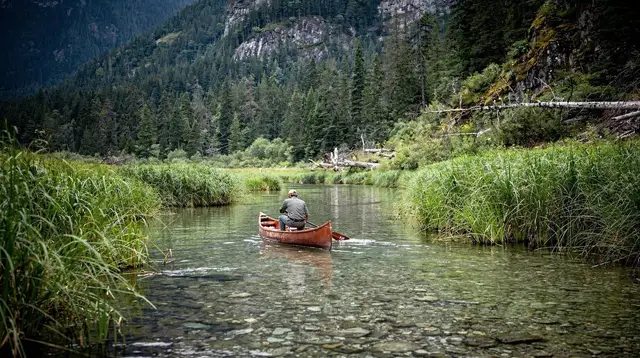
One detail that surprises first-time visitors: Alta Lake is not just a place to swim, it is also one end of a well-known paddling route. The River of Golden Dreams is a slow, meandering, mostly flat channel that connects Alta Lake to Green Lake, and Alta Lake’s northern shore is one of the standard put-in points for that route.
This page will not walk through the paddle itself — put-in logistics, how long it takes, what the current is like, whether you need a permit — because that belongs to its own dedicated guide. What matters here is the connection: if you are already at Alta Lake with a kayak, canoe or paddleboard, the River of Golden Dreams is the natural next step, and the same seasonal water-temperature logic applies to it as to the lake itself. Cold meltwater in the channel in May and June, comfortable conditions by July, cooling again from September.
Getting in the water: what to expect
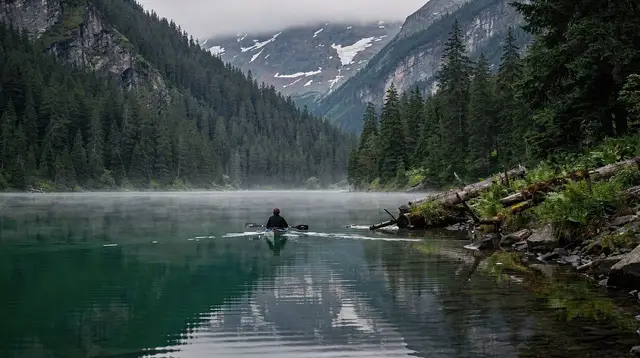
Within the July to early September window, Alta Lake is genuinely pleasant — clear, calm on most mornings, and warm enough that a swim does not feel like a dare. Afternoons often bring a light breeze funnelling up the valley, which is welcome for paddleboarders and kayakers looking for a bit of a workout but can chop up the surface for anyone hoping for a glassy, still swim. Early morning, before the wind picks up, tends to be the calmest time to be on the water.
Outside that window, do not romanticize it. A June visitor drawn by a sunny forecast should expect water cold enough to take the breath away on entry, and a September paddler should expect the same by the back half of the month. Neither is dangerous for a short, controlled dip if you know your own tolerance, but neither is the relaxed summer swim shown in most photos of the lake either. If you are visiting outside the window and still want time on the water, paddling in a wetsuit or drysuit is the more comfortable option than swimming.
Paddling beyond the swimming season
Paddling extends further into the shoulder seasons than swimming does, because gear closes the gap that skin exposure cannot. A shorty wetsuit makes late-June and mid-September paddling comfortable for most people, and a full wetsuit or drysuit pushes that further still for anyone experienced with cold-water paddling in spring or fall. This is the practical reason paddling and swimming deserve separate answers on this page rather than one combined season: a paddler with the right gear has real options in May, June, September and even October, while a swimmer’s realistic window stays closer to the July–early-September range regardless of gear, since most people are not swimming in a wetsuit for pleasure.
If paddling is the priority rather than swimming, and your trip falls outside peak summer, Alta Lake is still worth a visit — just plan for cooler water and dress accordingly, and check conditions locally before heading out, since wind and weather on a mountain lake can change faster than the forecast suggests.
Rounding out the day around Alta Lake
A morning at Alta Lake pairs naturally with the rest of what the valley has to offer, and most visitors are not spending an entire day at the water’s edge. For an active add-on nearby, a guided wilderness hike around Whistler’s forests and lakes makes a good half-day pairing with a lake swim, letting you combine time in the water with a longer look at the surrounding landscape.
For an evening plan once you’re out of the water, a Whistler dinner tour that moves between several local restaurants takes the guesswork out of where to eat after a day outdoors, and a night-time multimedia forest walk north of the village is a good contrast to an afternoon spent on the water — active by day, atmospheric after dark. On a cooler or rainy day when the lake is not calling, the Audain Art Museum’s collection of British Columbian art is a short drive from the lake and works well as a weather backup.
For planning the rest of a summer trip around the lakes, the best time to visit Whistler guide lays out how the swimming window fits into the wider seasonal picture, and how many days you need in Whistler is useful if you are still building an itinerary. Families weighing Alta Lake against the village’s other swimming spot should also look at swimming with kids at Lost Lake, and anyone deciding between Alta Lake and its glacier-fed neighbour should read is Green Lake good for paddling and swimming.
Practical notes before you go
There is no lifeguard service covering every access point around Alta Lake, so treat it the way you would any mountain lake: know your own swimming ability, keep an eye on children, and wear a personal flotation device when paddling, especially on a kayak or paddleboard away from shore. Weather on a mountain lake can shift quickly — a calm morning can turn breezy by early afternoon — so check conditions before heading out for anything longer than a short paddle near shore.
Whistler’s WAVE bus network covers the valley, and Alta Lake is close enough to the village that a car is not required to reach it. If you are combining a lake day with other activities across the Sea to Sky corridor, building it into a wider Whistler itinerary is worth doing before you arrive rather than improvising day to day.
Frequently asked questions about swimming and paddling at Alta Lake
When can you swim in Alta Lake?
Realistically from around July through early September. Snowmelt and the valley’s elevation keep the water cold in spring and it cools again quickly once fall arrives, so this is a short window rather than a full summer.
Is Alta Lake ever warm enough to swim in June?
Rarely, and never guaranteed. Whistler sits at about 675 m above sea level and is fed by snowmelt through late spring, so early June water is typically still very cold even when the air temperature feels like summer.
What about Green Lake and Alpha Lake — are they the same?
Green Lake and Alpha Lake follow a similar pattern to Alta Lake, generally swimmable from around July to early September. Green Lake sits lower in the valley and is glacier-fed, so it tends to run cooler than Alta Lake even in peak summer.
Can you paddle from Alta Lake to Green Lake?
Yes. Alta Lake is one of the launch points for the River of Golden Dreams, the slow, sheltered waterway that connects Alta Lake to Green Lake. The paddle itself is covered in a dedicated guide rather than here.
Why is Whistler’s swimming season so short compared to lower-elevation lakes?
Whistler Village sits at roughly 675 m above sea level, in a valley ringed by mountains that hold snow into early summer. That snowmelt keeps the lakes cold well into June, and nights cool quickly again from September, compressing the comfortable swimming window into about eight to ten weeks.
Is Alta Lake good for kayaking or paddleboarding, not just swimming?
Yes, Alta Lake is a popular flatwater spot for kayaks, canoes and stand-up paddleboards, and paddling season runs longer than swimming season because a wetsuit or drysuit extends comfortable time on the water into shoulder months.
Do I need a wetsuit at Alta Lake?
Outside the July to early September window, yes, if you plan to be in the water for any length of time. Even within that window, a shorty wetsuit makes early mornings and longer paddling sessions more comfortable, especially for anyone spending an hour or more on a paddleboard.
Is Alta Lake safe for kids to swim in?
Alta Lake has calm, sheltered sections that suit families, but as with any mountain lake there is no lifeguard coverage at every access point, the bottom drops off unevenly, and water stays cold even in peak season. Supervise children closely and have them wear a personal flotation device when paddling.
Kayaking & Paddling on GetYourGuide
Verified deep-linked GetYourGuide tours. Book through these links and we earn a small commission at no cost to you.
GetYourGuide does not provide a product photo for this activity — the image shows the meeting point, photographed by us.