Elaho River Rafting Near Squamish
How is Elaho River rafting different from Green River rafting in Whistler?
The Elaho, north of Squamish, is a bigger-volume glacial river with sustained Class III-IV rapids and a full-day format that includes a road trip up the Squamish Valley. The Green River, near Whistler, is a shorter, gentler Class II float aimed at families and first-timers. They are sold as different products for different appetites, not interchangeable versions of the same trip.
Not the Green River: What the Elaho Actually Is
Whistler and Squamish both have rivers with rafting on the label, and it is easy to assume they are the same activity sold from two different towns. They are not. The Elaho River is a big, cold, glacier-fed river that drains a remote valley north of Squamish, and rafting it is a sustained whitewater trip with real rapids, run as a full day out of the Sea to Sky corridor.
The Green River, by contrast, flows past Whistler itself and carries a gentle float aimed at families and people who have never picked up a paddle. If you are choosing between the two, the honest answer is that they are built for different people, not for the same person on a different day.
This page covers the Elaho only. For the Green River option, see the dedicated Whistler guide; for the calm paddling alternative — canoeing the River of Golden Dreams between Alta Lake and Green Lake — see that guide as well. Confusing the three is the single most common planning mistake for this part of the trip: one is sport, one is a gentle float, and one is not whitewater at all.
Where the Elaho Fits on the Map
The Elaho joins the Squamish River in the upper Squamish Valley, roughly an hour’s drive north of the town of Squamish on logging roads, well beyond where a rental car should go unsupervised. That is one of the practical reasons this is sold as a guided day trip rather than a self-drive outing: operators run their own vehicles up the forestry road, put in above the confluence, and take rafts down through the Elaho and into the Squamish River before taking out closer to town.
Squamish itself sits about 60 km south of Whistler and roughly 60 km north of Vancouver on Highway 99, which makes it the natural base for this trip whether you are staying in Whistler, in Squamish, or day-tripping up from Vancouver Airport. Most Elaho trips pick up in Squamish itself; a few extend pickup to Whistler, adding time on both ends of an already long day.
How the Trip Actually Runs
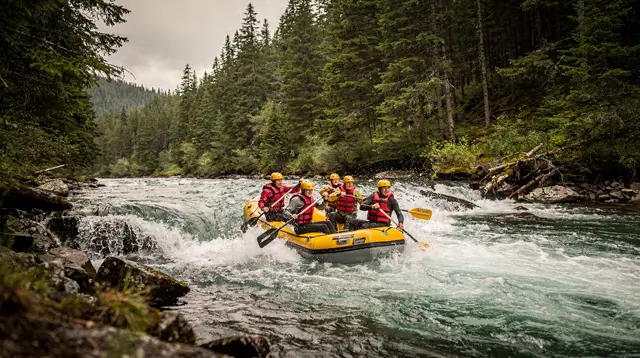
a full-day Elaho whitewater rafting trip typically follows the same shape regardless of operator: an early meeting time in Squamish, a safety briefing and gearing-up session, a drive up the valley in the company’s own vehicles, then three to four hours on the water covering the Elaho’s rapids before continuing onto the calmer lower Squamish River back toward town. Including transport, changing and a group lunch or snack stop, the whole outing runs 7 to 9 hours door to door — this is a day commitment, not a two-hour add-on between other activities.
Because the water is glacier- and snowmelt-fed, it stays cold all season regardless of air temperature. Wetsuits, splash tops, booties and helmets are standard kit; most trips include them in the price, but it is worth confirming, and a wetsuit rental in Squamish is a sensible backup if you are joining a trip that only supplies the raft and the guide.
Rapids, Flow and Why Timing Matters
The Elaho carries sustained Class III to Class IV rapids depending on water level, which puts it a clear step above an introductory float. Flow is driven by snowmelt and glacier melt, so the character of the trip changes through the season: June and July typically bring the highest, pushiest water and the biggest rapids, while August and September see flows drop and the trip mellow, though it remains a genuine whitewater run rather than a scenic float even late in the season. The rafting season overall runs roughly May through September; outside that window the river is not commercially run.
This is worth stating plainly because marketing photos rarely show the difference: a Class III-IV river demands active paddling, the ability to follow commands under pressure, and comfort with being submerged briefly if a raft takes a wave hard. Guides do not expect prior rafting experience, but they do expect a reasonable level of fitness and a genuine willingness to get wet, cold and occasionally thrown around inside the raft.
Elaho vs Green River, Side by Side
| Elaho River (Squamish) | Green River (Whistler) | |
|---|---|---|
| Difficulty | Class III-IV, sustained whitewater | Class II, gentle float |
| Typical duration | Full day, 7-9 hours including transport | Half day, roughly 2-3 hours total |
| Who it suits | Fit adults and older teens comfortable in moving water | Families, young children, first-time rafters |
| Departure point | Squamish, with a drive up the Squamish Valley | Whistler, close to the village |
| Season | Roughly May to September, biggest water in June-July | Spring through fall, more consistent flow |
| Feel of the trip | Adrenaline-driven whitewater day | Scenic, relaxed introduction to rafting |
If that table leaves you leaning toward the calmer option, the Green River rafting trip from Whistler is the better match — it is a genuinely different product, not a watered-down version of the Elaho, and comparing the two on price alone misses the point.
Who Should Book the Elaho
This trip suits travelers who already know they enjoy moving water, groups of friends looking for one adrenaline day within a broader Sea to Sky itinerary, and anyone who has done a gentler float before and wants to step up. It does not suit very young children, anyone with a fear of cold water or capsizing, or travelers whose one rafting slot in the trip needs to also work for grandparents and a six-year-old — that mixed group is better served by the Green River.
Because the day is long and physical, it is also worth thinking about what else you had planned for that date. Pairing an Elaho day with a serious hike, such as the Stawamus Chief, the same day is ambitious; pairing it with something lighter, like a short stop at Shannon Falls on the drive back through Squamish, fits more comfortably.
Getting to Squamish for the Trip
Most Elaho operators depart from central Squamish, so travelers need to get themselves to town rather than to a remote put-in. From Whistler, Squamish is about 60 km south on Highway 99, roughly 45 minutes to an hour by car depending on traffic and season; from Vancouver it is closer to 60 km and a similar drive time north. Travelers without a car can look at organized transport — see the guide on getting from Vancouver to Whistler for corridor transport options, and the notes on driving Highway 99 if you are self-driving, since winter tire rules and occasional highway closures apply outside the rafting season as well as during shoulder months.
Because pickup and drop-off logistics vary by operator — some offer Squamish-only meeting points, a few extend to Whistler — always confirm the exact pickup location and time when booking rather than assuming door-to-door service from your hotel.
What to Bring
| Item | Why |
|---|---|
| Swimsuit or quick-dry base layer | Worn under the wetsuit |
| Warm layer for after | You will be cold and possibly wet afterward |
| Closed-toe shoes that can get wet | Neoprene booties are usually provided, but bring your own backup |
| Towel and dry change of clothes | Left in the vehicle or with the operator for after |
| Sunscreen and sunglasses with a strap | Full-day sun exposure on the water |
| Waterproof bag for phone or valuables | Most operators do not allow personal electronics on the raft |
Contact lenses are generally fine; loose jewelry, watches and anything you cannot afford to lose to the river should stay at the hotel.
Making a Day of It Around Squamish
Because the round trip to Squamish is built into the rafting day already, most visitors do not add much else on the same date. If you have an extra day in the area rather than just the rafting slot, Squamish and Howe Sound offer plenty to fill it: the Sea to Sky Gondola, the granite walls of the Stawamus Chief, and a look at the adventure park format covered in the Squamish Canyon adventure guide all sit within a few minutes of downtown Squamish.
A Squamish Canyon entry ticket is a low-key way to fill an afternoon before or after a rafting day without asking your body for another big physical effort.
For travelers still deciding where to sleep for a Squamish-based rafting trip, the comparison in Squamish vs. Whistler, where to base yourself walks through the trade-offs; an early Elaho pickup time is one real argument for a Squamish hotel over a Whistler one, since it removes the extra 45 minutes of driving before an already long day.
A Note on the Rest of the River Family
The Sea to Sky corridor markets several waterways under names that sound similar to visitors comparing options at speed: the Elaho, the Squamish River it joins, the Cheakamus, the Green River near Whistler, and the placid River of Golden Dreams between Alta Lake and Green Lake.
Only the Elaho and the Green River are commercial whitewater rafting products; the River of Golden Dreams is a flat, slow paddle suited to canoes and stand-up paddleboards, not rafts, and has no rapids to speak of. If a search result or a friend’s recommendation simply says “rafting near Whistler” without naming the river, it is worth confirming which of these it actually means before booking, since the fitness, cost and experience required are not interchangeable.
For a broader look at what else counts as a big-adventure day around Squamish beyond rafting, the Squamish vs. Whistler basing guide and the things to do in whitewater rafting category page round out the options, while the things to do in Squamish hub covers the town’s other activities for the rest of a longer stay. If your itinerary already includes a couple of days around the corridor, the two days: Whistler and Squamish highlights itinerary shows where a rafting day can realistically sit inside a short trip.
Questions About Rafting the Elaho River
Is Elaho River rafting the same trip as Green River rafting?
No. They run on different rivers, in different valleys, with different operators and different intensity. The Elaho is a full-day whitewater trip north of Squamish with sustained Class III-IV rapids; the Green River is a short, gentle Class II float near Whistler aimed at families.
Do I need rafting experience for the Elaho River?
No prior experience is required, but you should be comfortable in cold water, able to follow paddling commands quickly, and reasonably fit. Guides run a safety briefing and practice drills before the first rapid. It is not recommended for very young children.
How long is a day of Elaho River rafting?
Budget a full day, typically 7 to 9 hours door to door from the Squamish area, including transport up the Squamish Valley forestry road, safety briefing, several hours on the water, and the return drive. The river time itself is usually 3 to 4 hours.
What season can you raft the Elaho River?
The Elaho runs on snowmelt, so the main season is roughly May through September, with peak flows and the biggest rapids in June and July as the glaciers and snowpack melt fastest. Flows drop and the trip mellows somewhat by late summer.
Is the water cold on the Elaho River?
Yes. It is glacier- and snowmelt-fed and stays cold all season, so wetsuits, splash jackets and neoprene booties are provided or rented and should always be worn, even on a hot day.
Where does Elaho River rafting leave from?
Trips depart from Squamish, about 60 km south of Whistler on Highway 99. Rafting companies drive guests up the Squamish Valley forestry road to the put-in, so no personal vehicle is needed once you reach Squamish.
Can I combine Elaho rafting with other things to do near Squamish?
Yes. Because the rafting itself is a half-day on the water within a full-day outing, many visitors pair the trip with a stop at the Stawamus Chief, Shannon Falls or the Sea to Sky Gondola the same visit, though the rafting day itself leaves limited extra time.
Is Elaho rafting suitable for beginners?
It suits beginners who are fit, comfortable with moving water and willing to get thoroughly wet and cold, but it is more demanding than an introductory float. Guests who want a gentler first rafting experience are usually better matched to the Green River near Whistler.
Whitewater Rafting on GetYourGuide
Verified deep-linked GetYourGuide tours. Book through these links and we earn a small commission at no cost to you.
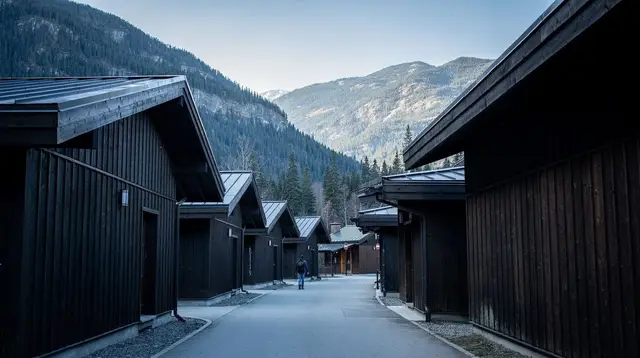
GetYourGuide does not provide a product photo for this activity — the image shows the meeting point, photographed by us.